18001808777 (Toll Free)
For ports pursuing sustainability targets, electrification creates new operational requirements around energy visibility, performance monitoring and asset management.
This is where technology providers, system integrators and managed service partners could find opportunities beyond the initial hardware deployment.
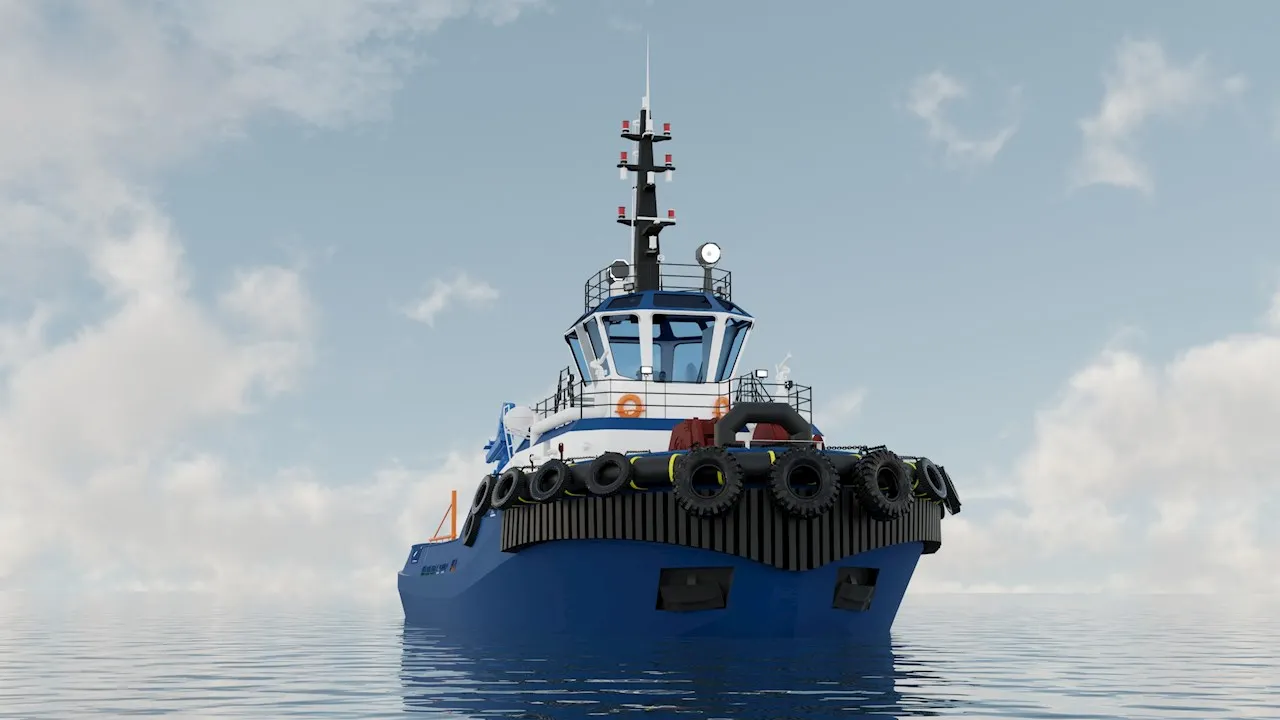
The ABB deployment signals this shift. As part of the project, ABB will provide its Onboard DC Grid platform and Power and Energy Management System (PEMS), which help optimise battery usage and manage changing power demands during vessel operations.
Harbour tugs typically operate under varying workloads, alternating between low-power periods and short bursts of high energy demand. Managing battery performance efficiently, therefore, becomes a critical operational function.
ABB is also supplying its remote diagnostic capabilities, enabling operators to monitor vessel performance and identify issues remotely.
This reflects a wider trend where electrified assets rely on software, monitoring and automation platforms to maintain efficiency and reliability.
As electrification expands, the technology requirements extend beyond power systems.
Operators require visibility into battery health, energy consumption, equipment performance and operational efficiency. This creates demand for monitoring platforms, analytics tools and predictive maintenance capabilities.
The opportunity spans multiple technology layers. The first is energy infrastructure, including battery systems, charging technologies and power management platforms.
The second is automation and control systems that help coordinate vessel operations and integrate them with wider port infrastructure.
The third is the digital services layer, where data collected from electrified assets can be used to improve performance, reduce downtime and optimise operations.
For solution providers, this creates opportunities that extend well beyond the initial deployment phase.
Unlike traditional vessel infrastructure projects, electrified operations require ongoing monitoring, software updates, diagnostics and optimisation throughout the asset lifecycle.
As a result, revenue increasingly shifts towards long-term service engagements rather than one-time equipment installations.
The GTTP is being implemented in phases between 2024 and 2040, making it a long-term infrastructure modernisation programme rather than a single procurement initiative.
As additional ports move towards electrified harbour operations, similar requirements are likely to emerge around energy systems, automation platforms and digital monitoring capabilities.
The pace of adoption may vary across ports, but the direction is becoming clearer.
Electrification introduces new technology dependencies that require closer integration between operational systems, energy infrastructure and digital platforms.
This creates a broader ecosystem opportunity involving technology vendors, system integrators, service providers and infrastructure specialists.
The current deployment at JNPA remains relatively small in scale, but it provides an early indication of how India’s ports could evolve over the coming years.
For the channel ecosystem, the significance lies less in the two electric tugboats themselves and more in the technology stack required to support them.
As ports modernise their operations, the demand for energy management, automation, remote monitoring and data-driven operational services is expected to grow alongside electrification efforts.
The result is a gradual shift towards port environments that are increasingly connected, software-driven and reliant on continuous operational visibility.
For solution providers looking at infrastructure modernisation opportunities, India’s port electrification journey may represent the beginning of a much larger technology transformation story.
.jpg)